Alert: Order your 3-month supply by October 12 to help avoid potential customs delays.

Get Semaglutide for $184 or Ozempic for $329

×

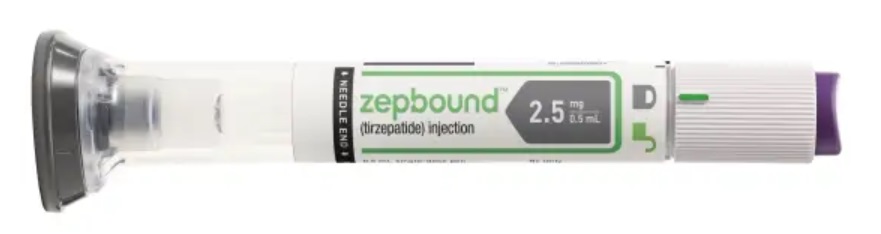
Zepbound (Tirzepatide)

Our Price: $499.99Typical U.S. Retail Price: $1,080+You Save: About $580+
Need an Rx?
Get your FREE e-consultation.
Important Notice: Huge price drop for limited time and stock
 
SHIPPING INFO

This is a refrigerated product.  A default $29.99 Express shipping fee is applied.  It will be shipped out in a insulated styrofoam container with gel and ice packs inside.  Parcels are shipped via Canada Post Express.

Zepbound (Tirzepatide)

Zepbound (Tirzepatide) is a prescription medication used to help manage type 2 diabetes by improving blood sugar control. It is a dual GIP and GLP-1 receptor agonist that works by regulating insulin production, reducing glucose production in the liver, and controlling appetite, contributing to weight loss and better glycemic control.

Why Choose Zepbound (Tirzepatide)?

  • Helps lower blood sugar levels in adults with type 2 diabetes.
  • Promotes weight loss by reducing hunger and enhancing fat breakdown.
  • Supports improved glycemic control, reducing the need for insulin.
  • Convenient once-weekly injection, offering simplicity for users.
  • May reduce the risk of cardiovascular events in individuals with type 2 diabetes and heart disease.

How to Use Zepbound (Tirzepatide)?

  • Consult your doctor before starting Zepbound to ensure it's the right treatment for you.
  • Follow your doctor’s dosage instructions, typically injected once a week, on the same day each week.
  • Prepare the injection by cleaning the injection site (usually your stomach, thigh, or upper arm) with an alcohol swab.
  • Inject the medication subcutaneously as per your doctor’s instructions, rotating the injection sites to avoid irritation.
  • Monitor your blood sugar regularly as recommended by your healthcare provider.

Important Safety Information for Zepbound

  • Zepbound is not for people with type 1 diabetes or diabetic ketoacidosis.
  • May cause a serious condition called gastrointestinal issues, including nausea, vomiting, or diarrhea.
  • Do not use if allergic to Tirzepatide or any other ingredients in the medication.
  • Use with caution if you have a history of pancreatitis or other gastrointestinal problems.
  • Not recommended during pregnancy or breastfeeding unless advised by a healthcare professional.

Fact Table

 
Facts Details
Brand Name Zepbound
Generic Name Tirzepatide
Medication Type Dual GIP and GLP-1 Receptor Agonist
Drug Class Antidiabetic, Weight Loss Medication
Used For Managing blood sugar in Type 2 Diabetes, Weight loss
Dosage Form Injectable solution (subcutaneous injection)
Administration Once-weekly subcutaneous injection, typically in the abdomen, thigh, or upper arm
Frequency of Use Once a week, on the same day each week
Mechanism of Action Dual action on GIP and GLP-1 receptors to improve insulin secretion, lower glucose production, and control appetite
Common Side Effects Nausea, Vomiting, Diarrhea, Constipation, Fatigue, Decreased Appetite, Stomach Pain
Precautions Not for use in pregnancy or breastfeeding unless advised. Regular blood sugar monitoring is recommended
Storage Store in refrigerator (2°C to 8°C/36°F to 46°F). Do not freeze. Keep out of reach of children.
Prescription Required Yes
Pregnancy Category Category C (use only if the benefits outweigh risks, consult a doctor)
Interactions May interact with other diabetes medications, especially insulin or oral hypoglycemics. Consult a healthcare provider

Common Side Effects

Like all medications, Zepbound (Tirzepatide) can cause side effects, although not everybody gets them. Understanding these side effects can help you use this medication safely and effectively.
  • Nausea
  • Diarrhea
  • Decreased appetite
  • Vomiting
  • Constipation
  • Abdominal pain
If you experience any side effects, discuss them with your healthcare provider. They can offer advice and may adjust your treatment if necessary. Report any severe or unexpected side effects immediately.

How Can You Buy Zepbound (Tirzepatide)?

You can order Zepbound (Tirzepatide) using these methods on our website:
  1. Order Online
  2. Order by Phone
  3. Order by Fax
  4. Order your refills
Visit our How to order page.

Frequently Asked Questions

  1. What is Zepbound?
    Zepbound is a medicine that is given to people who want to lose weight and keep their weight in control. Zepbound has a special drug called tirzepatide in it. Zepbound is approved by the FDA, which is a group that makes sure medicines are safe and effective. Though it is used by some adults who want to lose weight. But, you have to use it along with exercise and a diet that doesn't have too many calories.
  2. What's important to know about Zepbound?
    The points given below are to be kept in mind before starting Zepbound
    • Don't use Zepbound if you or anyone in your family has ever had a type of thyroid cancer called MTC or if you have a condition called Multiple Endocrine Neoplasia syndrome type 2 (MEN 2).
    • It could lead to thyroid tumors, including cancer. If you notice a lump or swelling in your neck, have trouble swallowing, sound hoarse, or experience shortness of breath, tell your doctor. These could be signs of thyroid cancer. In studies with rats, Zepbound and similar medicines caused thyroid tumors, including thyroid cancer. We're not sure if Zepbound can do the same in people or cause a type of thyroid cancer called medullary thyroid carcinoma (MTC).
  3. Who should not use Zepbound?
    Do not use Zepbound if:
    • You or anyone in your family has had a certain type of thyroid cancer called MTC or you have a medical condition called MEN 2 that affects your endocrine system.
    • You have had a severe allergic reaction to tirzepatide or any of the substances used in Zepbound. You can find a list of these ingredients at the end of this Medication Guide.
  4. What should I tell my healthcare provider before starting to use Zepbound?
    Before you start using Zepbound, make sure to talk to your healthcare provider about your health and any concerns you have. Here are some important things to discuss:
    • Medical Conditions: Let your healthcare provider know if you have or had any issues with your pancreas or kidneys.
    • Stomach Problems: Inform your healthcare provider if you have severe stomach problems, like slow emptying of your stomach (gastroparesis) or difficulties digesting food.
    • Diabetic Retinopathy: Mention if you have a history of diabetic retinopathy.
    • Pregnancy: If you are pregnant or planning to have a child, it's essential to tell your healthcare provider because Zepbound may be harmful to an unborn baby.
      1. Pregnancy Exposure Registry: There's a registry for pregnant women who have used Zepbound. This registry aims to collect information about your and your baby's health. You can join this registry or get more information by contacting Eli Lilly and Company at 1-800-LillyRx (1-800-545-5979).
      2. Birth Control: If you take birth control pills by mouth, they may not work as well while using Zepbound. Your healthcare provider may suggest an alternative birth control method for four weeks after starting Zepbound or after any dose increase. Discuss the right birth control options for you with your healthcare provider.
    • Breastfeeding: If you are breastfeeding or planning to breastfeed, let your healthcare provider know. It's unclear if Zepbound passes into breast milk, so your healthcare provider can guide you on the best way to feed your baby while using Zepbound.
    • Medications: Inform your healthcare provider about all the medicines you are taking, including prescriptions, over-the-counter drugs, vitamins, and herbal supplements. Zepbound can affect how some medicines work, and other medicines may impact how Zepbound works.
    Remember to keep a list of all the medicines you take to share with your healthcare provider and pharmacist when you start a new medication. This information will help ensure your safety while using Zepbound.
  5. Where should you inject Zepbound in your body?
    Zepbound is administered by injecting it just under the skin. You can inject it in your stomach (abdomen), thigh, or upper arm. These are the most preferred three sites where you can inject Zepbound.
  6. How often should I use Zepbound, and when can I use it during the day?
    You should use Zepbound once a week, and you can use it at any time of the day that is convenient for you.
  7. Can I pick a different day of the week for taking Zepbound?
    Yes, you have the flexibility to select a different day of the week for your Zepbound doses as long as you ensure that there is a gap of at least 3 days between each dose. This means you can adjust your dosing schedule to better suit your preferences or schedule, while still following the recommended dosing interval.
  8. What if I miss a dose of Zepbound?
    If you miss a dose of Zepbound medicine, follow these steps:
    • If you remember within 4 days (96 hours) of missing a dose:
      1. Take the missed dose when you remember.
      2. If more than 4 days (96 hours) have passed since you missed a dose.
    • Do not take the missed dose.
      1. You should take your next dose on your regular scheduled day.
      2. Never take two doses of Zepbound within a gap of 3 days (72 hours).
      It's essential to stick to your prescribed schedule for taking Zepbound to ensure its effectiveness.
  9. Should I take Zepbound with food?
    You can choose to eat something before taking it, or you can take it on an empty stomach. It's up to you.
  10. Can I use the same body part for Zepbound injection?
    You should change the injection site. You can still use the same part of your body, but make sure you pick a different spot in that part. Don't keep using the same spot every time you give yourself an injection.
  11. What if I overdose on Zepbound?
    If you overdose on Zepbound, you should immediately contact a Poison Center expert or seek emergency medical help.
  12. What are the side effects of Zepbound?
    Zepbound can have some side effects, and it's important to be aware of them. Here are the possible side effects: Serious Side Effects:
    • Stomach Problems: Some people who use Zepbound may experience severe stomach problems. If you have severe or persistent stomach issues, you should tell your healthcare provider.
    • Kidney Problems: Diarrhea, nausea, and vomiting can lead to dehydration, which, in turn, may cause kidney problems. It's crucial to stay hydrated while taking Zepbound to reduce the risk of this.
    • Gallbladder Problems: In some cases, Zepbound has been associated with gallbladder problems. If you experience symptoms like upper stomach pain, yellowing of the skin or eyes, fever, or clay-colored stools, inform your healthcare provider promptly.
    • Pancreatitis: If you have severe, unrelenting stomach pain with or without vomiting, especially radiating to your back, stop using Zepbound and contact your healthcare provider immediately.
    • Serious Allergic Reactions: If you notice symptoms like swelling of your face, lips, tongue, throat, fainting, difficulty breathing or swallowing, rapid heartbeat, severe rash, or itching, stop using Zepbound and seek medical help immediately.
    • Low Blood Sugar (Hypoglycemia): Combining Zepbound with medications that can lower blood sugar may increase your risk of hypoglycemia. Look out for symptoms like dizziness, blurred vision, anxiety, sweating, confusion, shakiness, weakness, headache, fast heartbeat, or feeling jittery.
    • Changes in Vision: If you have type 2 diabetes and notice changes in your vision while taking Zepbound, inform your healthcare provider.
    • Depression or Self-Harming Thoughts: Be attentive to any changes in your mood, behavior, feelings, or thoughts. If you experience new or worsening mental health concerns, contact your healthcare provider immediately.
    Common Side Effects:
    • Nausea
    • Stomach (abdominal) pain
    • Diarrhea
    • Indigestion
    • Belching
    • Vomiting
    • Injection site reactions
    • Hair loss
    • Constipation
    • Fatigue
    • Heartburn
    If you encounter any side effect that bothers you or doesn't go away, discuss it with your healthcare provider. Remember that these are not all the possible side effects of Zepbound, so if you have any concerns or questions about side effects, consult your healthcare provider for guidance.
  13. How to store Zepbound?
    • You should store Zepbound in the refrigerator between 36°F to 46°F (2°C to 8°C).
    • Keep it in the original carton away from light.
    • If you need to, you can also keep each single-dose pen at room temperature, but only for up to 21 days.
    • Once you've taken it out of the refrigerator and stored it at room temperature, don't put it back in the fridge.
    • Remember to throw away Zepbound if you haven't used it within 21 days after taking it out of the refrigerator.
    • Don't ever freeze Zepbound, and don't use it if it's been frozen.
    • Always make sure to keep Zepbound and all medicines inaccessible to children.
  14. List the ingredients of Zepbound.
    Tirzepatide is present as the active ingredient in Zepbound. Besides this, there are some inactive ingredients present in it, like sodium chloride, sodium phosphate dibasic heptahydrate, and water for injection. Sometimes, they might add a little bit of hydrochloric acid solution or sodium hydroxide solution to maintain its pH value.
  15. Can I consume alcohol while taking Zepbound?
    Alcohol doesn’t interact with Zepbound. But if you're not sure how much alcohol is safe while taking Zepbound, you should consult it with your doctor.
  16. References
    Zepbound [package insert]. Indianapolis, IN: Eli Lilly and Company; 2023.
Dr. Conor Sheehy, PharmD, BCPS

References
Zepbound [package insert]. Indianapolis, IN: Eli Lilly and Company; 2023.

Dr. Conor Sheehy, PharmD, BCPS is a practicing clinical pharmacist that works in primary care. He supports other members of the healthcare team including physicians, mid-level providers, nurses, and other clinical staff. He also likes to use his drug knowledge to inform his patients and the public about the benefits and risks they can expect from their medications. His clinical specialties include: anticoagulation, diabetes management, and psychiatric care.

Please note that due to government rules and regulations, orders may not exceed 3 months in supply.
Please call 1-800-258-0477 or email us if you have any questions or concerns.