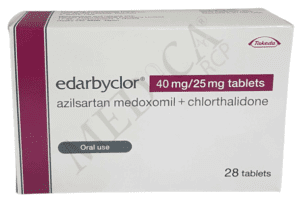
- What is Edarbyclor?
Edarbyclor combines two medications, azilsartan and chlorthalidone. Azilsartan is an angiotensin II receptor blocker (ARB), while chlorthalidone is a type of diuretic, often known as a water pill. This combination is effective in treating high blood pressure by preventing the body from absorbing too much salt, which can cause fluid retention.
- How does Edarbyclor work?
Edarbyclor works by using its two active components in tandem. Azilsartan helps relax blood vessels, allowing blood to flow more easily. Chlorthalidone helps the body eliminate excess salt and water through urine. This combination helps lower blood pressure and reduce the risk of complications such as strokes and heart attacks.
- Who should not take Edarbyclor?
Individuals unable to urinate or those allergic to either azilsartan or chlorthalidone should avoid Edarbyclor. Pregnant women should not use it, as it can cause harm or death to the unborn baby. If you have diabetes, do not use Edarbyclor with any medication that contains aliskiren.
- What are the potential side effects of Edarbyclor?
Common side effects include dizziness and feeling tired. However, it can also cause more serious effects like electrolyte imbalances, little or no urination, swelling, or allergic reactions. While not everyone experiences side effects, it's important to report unusual symptoms to your healthcare provider.
- How should Edarbyclor be taken?
Edarbyclor is usually taken once daily, with or without food. The amount of medicine depend on your medical condition and how your body responds to treatment. It's crucial to follow your healthcare provider's directions and not to adjust your dose without consulting them.
- What should I avoid while taking Edarbyclor?
Avoid using potassium supplements or salt substitutes unless your doctor has advised you to. Also, be cautious when getting up too fast from a lying or sitting position, as you may feel dizzy due to blood pressure changes.
- What are the forms of Edarbyclor available?
Edarbyclor is available in tablet form, in dosages combining azilsartan with either 12.5 mg or 25 mg of chlorthalidone.
- Can Edarbyclor be taken with other medications?
Some medications might interact with Edarbyclor, such as lithium, digoxin, and other blood pressure medicines. Always consult your healthcare provider for advice on managing any potential interactions.
- What is Edarbyclor used for?
Edarbyclor is helpful in managing high blood pressure (hypertension). It contains two medications: azilsartan, an angiotensin II receptor blocker (ARB), and chlorthalidone, a diuretic or "water pill." Together, they help lower blood pressure, which reduces the risk of strokes, heart attacks, and kidney problems.
- How does Edarbyclor work?
Azilsartan relaxes the blood vessels, allowing blood to flow more easily, while chlorthalidone helps your body eliminate extra salt and water through urine. This combination lowers blood pressure effectively.
- How should I take Edarbyclor?
Take Edarbyclor once daily, with or without food, as directed by your doctor. It's best to take it at the same time each day to maintain steady blood pressure control. If taken too late in the day, it may cause frequent urination during the night.
- What are the common side effects of Edarbyclor?
Common side effects include dizziness and fatigue. Talk to your doctor in case of any adverse effects.
- Can Edarbyclor cause dehydration?
Yes, due to the diuretic (chlorthalidone) in Edarbyclor, it can cause dehydration if your body loses too much water and salt. Be sure to drink plenty of fluids, and call your doctor if you experience symptoms like dry mouth, extreme thirst, or confusion.
- Can I use Edarbyclor with other blood pressure medications?
Edarbyclor should not be taken with medications containing aliskiren, particularly in people with diabetes or kidney disease. Inform your doctor about all medications you're taking to avoid interactions.
- What should I avoid while taking Edarbyclor?
Avoid using potassium supplements or salt substitutes unless your doctor advises you to. Also, be careful when standing up from a sitting or lying position, as Edarbyclor may cause dizziness, especially when you get up too quickly.
- How does Edarbyclor affect kidney function?
Edarbyclor may affect kidney function, particularly in people with pre-existing kidney disease. Regular kidney function monitoring is recommended while taking this medication. If you notice symptoms like reduced urination, contact your doctor immediately.
- Can Edarbyclor interact with other drugs?
Yes, Edarbyclor may interact with medications like digoxin, lithium, and other heart or blood pressure medicines. Always inform your healthcare provider about any other drugs or supplements you're taking to avoid harmful interactions.
- Is there a risk of developing serotonin syndrome with Edronax?
Yes, serotonin syndrome can occur when reboxetine is used in conjunction with other serotonergic medications; patients should be monitored for symptoms such as confusion, agitation, and rapid heart rate.