
Diamox (Acetazolamide)
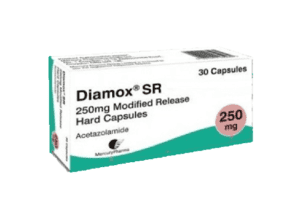
Diamox (Acetazolamide)
Diamox is a versatile medication primarily used to treat glaucoma, altitude sickness, and certain types of seizures. Its active ingredient, Acetazolamide, belongs to a class of drugs known as carbonic anhydrase inhibitors. Diamox works by decreasing fluid production in the eye and increasing urine production in the kidneys, helping to adjust the body's acid-base balance.Why Choose Diamox (Acetazolamide)?
- Effective Treatment for Glaucoma: Helps reduce intraocular pressure, providing relief for individuals suffering from glaucoma.
- Prevents Altitude Sickness: Ideal for mountain climbers and travelers, Diamox reduces the risk of altitude sickness by aiding the body to acclimatize to high elevations.
- Controls Seizures: Aids in the management of certain types of seizures in combination with other anticonvulsants.
- Acid-Base Balance Regulation: Assists in treating metabolic alkalosis, helping the body maintain a healthy pH level.
How to Use Diamox (Acetazolamide)?
- Take Diamox tablets orally.
- Can be taken with or without food.
- Dosage Frequency should be 1 to 4 times a day.
- Based on your medical condition.
- Adjusted according to your response to treatment.
- Essential to take this medication regularly for maximum benefit.
- Do not increase your dose on your own.
- Avoid using the drug more often or for longer than prescribed by your healthcare provider.
Important Safety Information about Diamox
- Stay Hydrated: Drink plenty of fluids unless otherwise directed by your doctor to prevent kidney stones.
- Monitor Your Health: Regular medical tests may be recommended to monitor your side effects and adjust your dose accordingly.
- Allergy Alert: Do not take Diamox if you have a known allergy to acetazolamide or any sulfa drugs.
Fact Table
| Facts | Details |
| Generic Name | Acetazolamide |
| Brand Names | Diamox, Diamox Sequels |
| Medication Type | Carbonic anhydrase inhibitor |
| Approved Uses | - Treatment of glaucoma- Management of epilepsy (as an adjunctive therapy) - Prevention or treatment of altitude sickness - Management of certain types of edema |
| Administration Route | Oral, Injection |
| Dosage Forms | - Tablet: 125 mg, 250 mg - Extended-release capsule: 500 mg- Injectable: 500 mg for reconstitution |
| Common Side Effects | - Numbness or tingling in the fingers or toes - Fatigue- Nausea or vomiting - Diarrhea - Altered taste sensations |
| Contraindications | - Hypersensitivity to acetazolamide or any component of the formulation - Severe kidney or liver disease- Electrolyte imbalances - Addison's disease |
| Drug Interactions | - Aspirin and other salicylates - Other carbonic anhydrase inhibitors - Antiepileptic drugs- Lithium- Cyclosporine |
| Mechanism of Action | Inhibits carbonic anhydrase enzyme, reducing the formation of bicarbonate ions, leading to reduced fluid transport and decreased production of aqueous humor and cerebrospinal fluid. |
| Monitoring Parameters | - Electrolyte levels- Blood pH - Blood glucose levels- Complete blood count |
| Storage Instructions | Store at room temperature away from moisture and heat. |
Common Side Effects
Like all medications, Diamox (Acetazolamide) can cause side effects, although not everybody gets them. Understanding these side effects can help you use this medication safely and effectively.- Tingling of the hands or feet
- Changes in taste
- Frequent urination
- Mild dizziness or lightheadedness
- Nausea or vomiting
How Can You Buy Diamox (Acetazolamide)?
You can order Diamox (Acetazolamide) using these methods on our website:- Order Online
- Order by Phone
- Order by Fax
- Order your refills